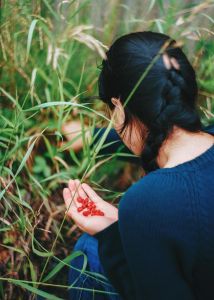
Foraging is one of the oldest survival skills known to humans—but where you live makes a big difference in what wild edibles you’ll find. Whether you're preparing for a disaster scenario or just looking to live more off-grid, knowing how to forage by region is essential. In this guide, we break down the top wild plants, berries, mushrooms, and herbs you can find across the U.S., from the lush Pacific Northwest to the dry deserts of the Southwest
🌲 Northeast (New England & Mid-Atlantic)
States Covered: ME, VT, NH, MA, CT, RI, NY, NJ, PA, DE, MD
Top Wild Edibles:
Fiddlehead Ferns – Harvest in spring; sauté or boil before eating.
Blueberries – Thrive in acidic soils; abundant in summer.
Wild Leeks (Ramps) – Strong garlic-onion flavor; forage early spring.
Beech Nuts – Fall harvest; high in protein and fat.
Survival Tip: Dense forests and abundant rainfall create perfect foraging conditions, especially for mushrooms.
🌽 Midwest (Great Lakes & Plains)
States Covered: OH, MI, IL, IN, WI, MN, IA, MO, ND, SD, NE, KS
Top Wild Edibles:
Milkweed Pods (young) – Boil to remove bitterness.
Wild Asparagus – Found near ditches and old farm fields.
Morel Mushrooms – Abundant after spring rain.
Black Walnuts – Rich in calories; tough shells but worth the effort.
Survival Tip: Prairie ecosystems offer a variety of greens and tubers, ideal for foraging in open terrain.
🌄 Southeast (South Atlantic & Deep South)
States Covered: FL, GA, SC, NC, AL, MS, LA, TN, KY, WV, VA, AR
Top Wild Edibles:
Muscadine Grapes – Native wild grape; sweet and high in vitamin C.
Pawpaw Fruit – “Custard apple” native to the Southeast.
Pine Needles & Inner Bark – Southern pines are abundant and useful.
Yaupon Holly – Leaves contain natural caffeine; make a survival tea.
Survival Tip: Warm climate = long growing season. Look for swampy, shaded areas for cool-season greens.
🌵 Southwest (Desert & Arid Climates)
States Covered: TX, NM, AZ, NV, southern CA, southern UT
Top Wild Edibles:
Prickly Pear Cactus (Nopal & Tuna) – Pads and fruit are edible after de-spining.
Mesquite Pods – Grind into flour; sweet and nutritious.
Cholla Cactus Buds – Boil or roast to remove oxalates.
Agave – Heart is edible when roasted; source of sugar and water.
Survival Tip: Learn desert-specific foraging to avoid poisonous look-alikes. Always carry water—preparation is key.
🌲 Pacific Northwest
States Covered: WA, OR, northern CA, western ID, AK
Top Wild Edibles:
Salmonberries & Thimbleberries – Juicy and tart; excellent trail snacks.
Stinging Nettle – Rich in iron and protein; cook to remove sting.
Chanterelle Mushrooms – Gourmet-level fungi, but requires correct ID.
Licorice Fern Root – Sweet-tasting root used medicinally and for flavor.
Survival Tip: Frequent rainfall and cool temps make this region mushroom heaven—always double-check ID.
🌞 West (Rocky Mountains, Great Basin, High Desert)
States Covered: CO, WY, MT, ID, UT, northern NV
Top Wild Edibles:
Serviceberries – Sweet and seedy; excellent dried or fresh.
Wild Currants – Tart berries used in jams and survival snacks.
Wild Mint – Fragrant herb; can be made into tea or used for flavoring.
Dock Leaves & Roots – Leaves for greens, roots for medicinal tea.
Survival Tip: Mountain ecosystems change rapidly with elevation—different edibles grow at different heights.
⚠️ General Foraging Rules (All Regions)
Always positively ID a plant or mushroom.
Use a local foraging guidebook or app.
Check state and federal laws about foraging on public land.
Avoid areas sprayed with pesticides or contaminated by pollution.
Don’t over-harvest—leave enough for the ecosystem to thrive.
Final Thoughts
Understanding foraging by region in the United States can turn an overwhelming wilderness into a familiar pantry. By learning the seasonal and regional abundance in your area, you’ll be better equipped to survive, thrive, and connect more deeply with your local environment. Start small, forage smart, and always respect nature’s balance.
🧭 Want to dive deeper? Stay tuned for upcoming regional foraging guides for each season!